November 4, 2026
Every successful driveway paving project begins with a comprehensive site inspection. Our professional contractors assess the current condition of your property to determine the necessary scope of work. Ignoring underlying issues leads to premature failure and costly repairs down the road. An expert eye catches drainage problems and structural deficits long before heavy equipment arrives.
Homeowners often wonder whether their property needs a complete tear-out or simply an overlay. The evaluation phase provides absolute clarity regarding the best path forward for long-lasting results. Experts look for deep cracks, pooling water, and crumbling edges that indicate severe base failure. Catching these warning signs early ensures the final product remains durable and visually appealing.
Removing the Old Material
When a surface is beyond saving, crews arrive to excavate the deteriorating asphalt. Heavy machinery tears through the damaged layers while operators avoid disturbing adjacent landscaping. The debris is then loaded onto trucks and transported away for proper recycling. Complete removal clears the slate and allows contractors to access the vulnerable subgrade beneath.
Attempting to pave over a severely compromised base only masks deeper structural problems for a short time. Removing the damaged layers is a critical step in professional driveway paving that cannot be rushed. The excavation process reveals the true condition of the underlying soil and identifies hidden soft spots. Contractors can then formulate a precise plan to strengthen the earth before proceeding.
Preparing the Subgrade Foundation
The subgrade serves as the ultimate support system for the entire paved surface. If this underlying dirt is weak, the beautiful blacktop above will crack and sink. Workers take time to clear away organic matter, roots, and soft clay that compromise stability. Solidifying this earthy bottom layer establishes a resilient platform ready to bear massive weight.
Specialized heavy rollers press the soil to eliminate hidden air pockets and prevent future settling. This meticulous compaction prevents the earth from shifting when vehicles park on the finished surface. A properly prepared subgrade acts as an invisible shield against harsh weather and freezing temperatures. Professionals know that this hidden foundation dictates the ultimate success of the visible work above.
Grading the Base Layer
Proper water drainage represents the most vital aspect of any asphalt installation. Crews sculpt the earth to ensure rainwater naturally flows away from structures and foundations. Stagnant puddles degrade asphalt, leading to extensive damage during freezing weather cycles. Achieving the perfect slope requires precision instruments and years of practical field experience.
Without the correct pitch, moisture seeps into microscopic crevices and erodes the materials from within. The grading phase of driveway paving protects the property by directing runoff toward appropriate drainage zones. Professionals measure the incline throughout the day to guarantee absolute accuracy. A beautifully pitched surface remains safe and dry even after heavy seasonal rainstorms.
Adding the Crushed Stone
After the earth is perfectly shaped, workers distribute a thick blanket of jagged aggregate rock. This sub-base material provides essential structural integrity and facilitates proper water filtration beneath the pavement. The jagged edges of the stone interlock when subjected to extreme downward pressure. This interlocking mechanism creates a rigid matrix that flexes without breaking under heavy loads.
Crews utilize powerful vibrating machines to force the rocky mixture into a densely packed layer. The stone acts as a crucial buffer between the natural soil and the artificial surface above. Any successful driveway paving venture relies on the quality and thickness of this aggregate bed. Skimping on the stone foundation guarantees a bumpy, uneven outcome that requires constant maintenance.
Installing the Binder Course
The binder course acts as the heavy-duty workhorse of the entire asphalt structure. This robust mixture contains large aggregates mixed with heated oil to create maximum load-bearing strength. Trucks pour this thick material over the compacted stone to form the primary structural layer. The substantial rocks within the binder provide the immense power needed to support heavy vehicles.
After spreading the hot mixture, rollers compress the surface until it becomes solid. This coarse foundation is not meant to be visually perfect, but rather robust and strong. Every premium driveway paving installation utilizes a thick binder layer to prevent premature structural fatigue. The resulting slab serves as a mighty bridge between the rocky earth and the sleek finish.
Laying the Top Asphalt
The final wearing course provides the smooth, jet-black appearance that homeowners desire. This specialized mixture features fine sand and small pebbles blended with liquid asphalt cement. Operators guide the paving machine to lay the hot material in seamless, uniform ribbons. The goal is to create a stunning visual finish that is also incredibly weather-resistant.
Crews work fast while the material remains at the optimal high temperature for manipulation. Hand tools are used to blend the seams where the passes meet, ensuring a continuous surface. This top layer shields the structural binder course below from harmful ultraviolet rays and continuous rain. The dark, pristine finish elevates the curb appeal of the entire property.
Rolling the Fresh Pavement
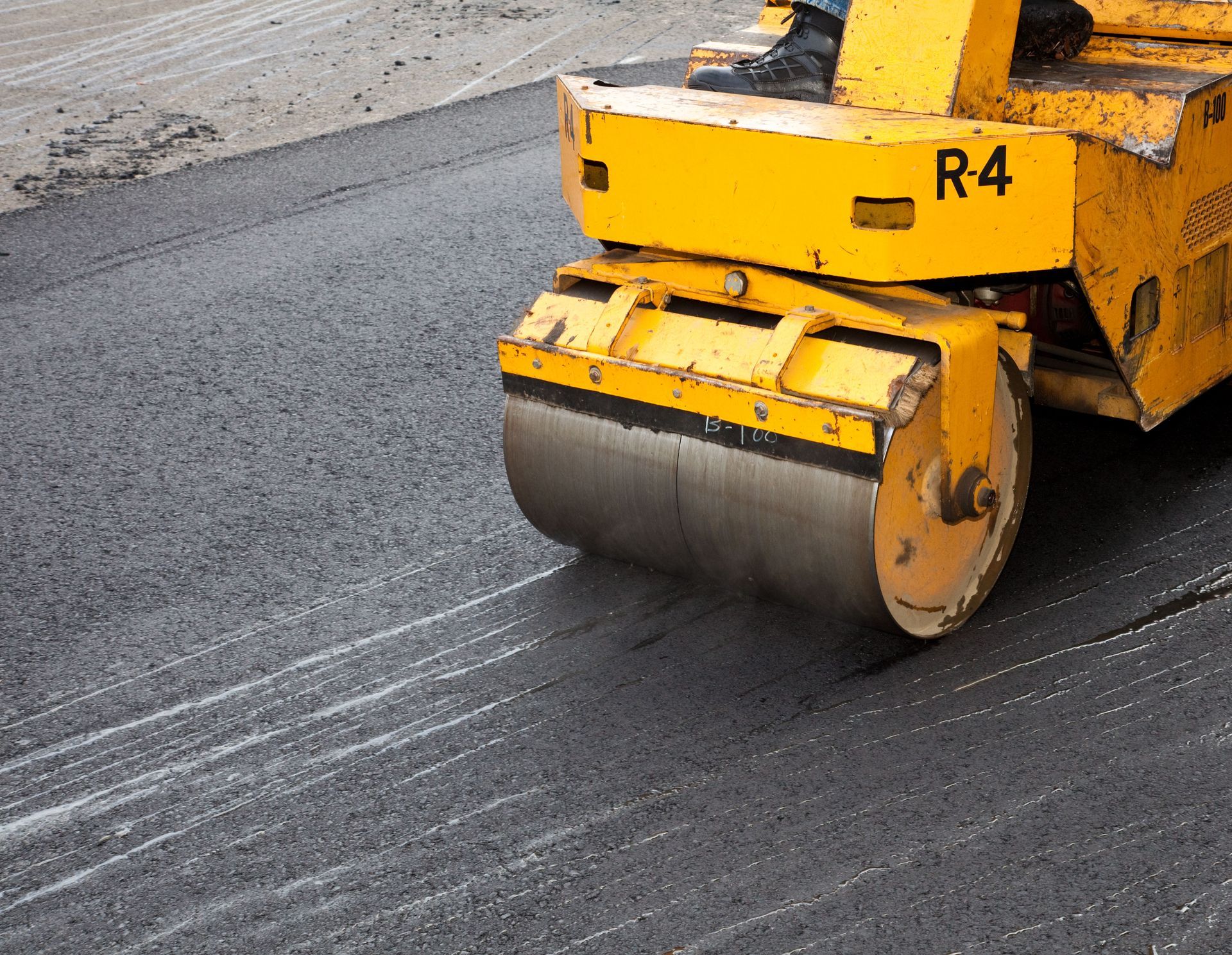
While the topcoat is still blazing hot, heavy cylindrical rollers begin their crucial smoothing work. The operators drive back and forth in strategic patterns to compress the material. This extreme pressure forces the fine aggregates together and seals the surface against moisture intrusion. Proper compaction is non-negotiable for achieving a flawless, long-lasting driveway paving result.
Skilled operators know exactly when to start rolling and when the material has cooled too much. Waiting too long results in a porous surface that crumbles under the weight of family cars. The rhythmic motion of the machinery creates a dense, impenetrable shield that looks visually spectacular. The rolling process transforms a loose, hot mixture into a rock-solid, functional roadway.
Smoothing the Outer Edges
The perimeter of the new surface requires special attention from the ground crew. Workers utilize specialized hand tampers to create a beautiful, angled border along the sides. A compacted edge prevents the asphalt from crumbling into the adjacent grass or landscaping beds. This precise detailing separates standard contractor work from true artisanal craftsmanship.
Forming a solid border also improves the overall structural integrity of the installation. Water naturally sheds off these angled edges rather than pooling and causing structural decay. An immaculately finished perimeter provides a clean visual transition between the blacktop and the lush lawn. Small details like properly angled sides ensure the property looks professionally maintained.
Allowing the Necessary Curing
A newly laid surface needs ample time to cool and harden before accommodating vehicular traffic. Homeowners must exercise patience and keep their cars parked on the street during this critical phase. The petroleum-based materials remain pliable and susceptible to tire marks or steering indentations while warm. Allowing the blacktop to rest undisturbed guarantees a blemish-free finish that remains pristine.
Even after the initial cooling period, the surface continues to cure and harden over subsequent months. Professional contractors always provide specific guidance regarding when normal usage can safely resume. Completing a driveway paving project properly means respecting the chemical curing process. Rushing to use the surface only damages the beautiful work that was just completed.
Protecting the Finished Investment
Routine maintenance is the absolute key to maximizing the lifespan of the new installation. Homeowners should sweep away debris and treat any chemical spills right away to prevent degradation. Applying a high-quality protective coating after the initial curing period replenishes essential oils and blocks harmful sunlight. According to Bob Vila, an asphalt driveway typically has a lifespan of up to two decades.
When you choose our team, you receive expert guidance on maintaining your gorgeous new surface. Small cracks should be filled to stop moisture from penetrating the foundation layers below. Committing to a consistent maintenance routine protects the structural integrity and the aesthetic beauty alike. A well-maintained surface enhances the value of the home and provides lasting pride of ownership. Contact JC Rockland Paving today to learn more.