July 2, 2026
Transforming an outdoor space involves more than just placing furniture or planting trees; it is about creating a functional and aesthetically pleasing retreat. Custom patio design offers homeowners a unique opportunity to reflect personal style while maximizing outdoor utility. By integrating seamless design elements, patios become an extension of your living space that can be enjoyed throughout the year.
A well-thought-out custom patio can solve several cosmetic and practical problems by showcasing a homeowner's creative vision. Not only does it reflect personal taste, but a custom patio can also increase the resale value of a property. According to Homes.com, patios and decks have a variable ROI, adding 30% to 73% to resale value. This means a custom-designed outdoor area could offer substantial financial returns at the time of sale.
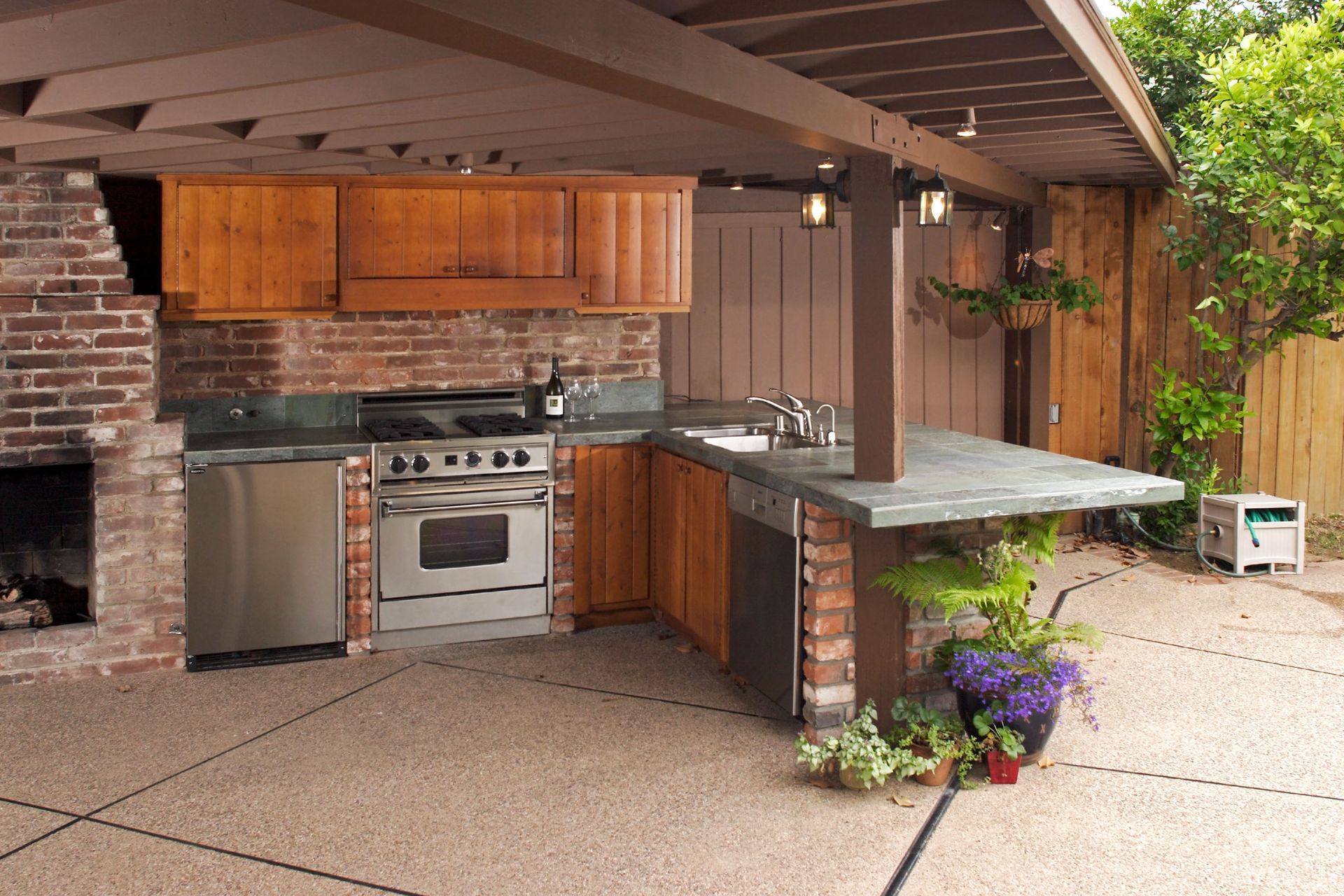
The beauty of custom patio design is in its versatility and functionality. Whether seeking a private retreat, an entertainment hub, or a dining area under the stars, the possibilities are limitless. With the right design elements, any ordinary backyard can be transformed into a personal oasis that evokes relaxation and fosters connections.
1. What is Hardscaping and Why is it Essential for Custom Patio Design?
1.1 Defining Hardscaping in Outdoor Architecture
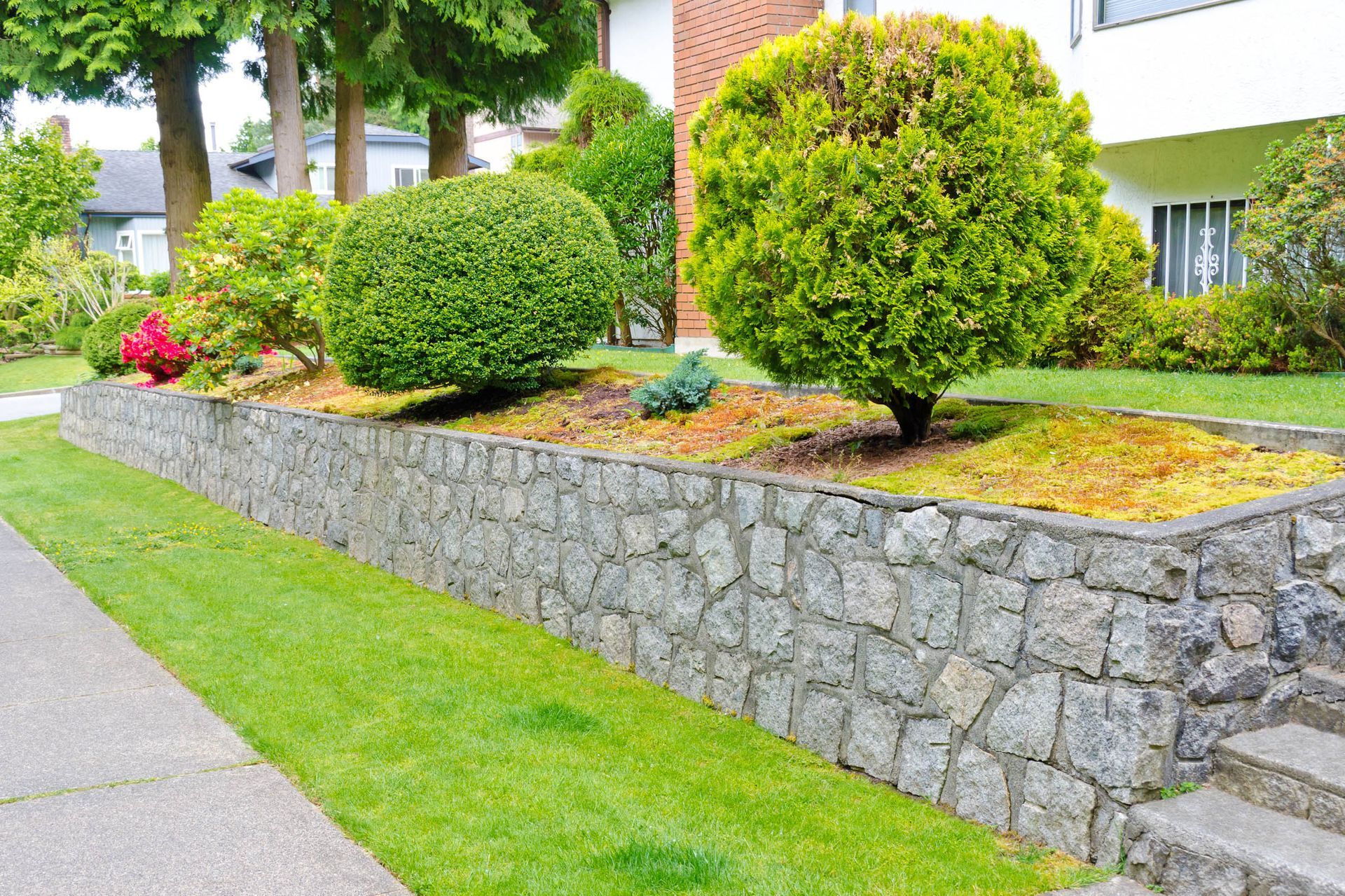
Hardscaping refers to the non-living components of a landscape design, including walkways, walls, and patios. Unlike softscaping, which involves plants and organic materials, hardscaping is more structured and long-lasting. It plays a vital role in shaping outdoor spaces and directing foot traffic in functional ways. The use of stone, brick, concrete, and wood elements come together to form an enduring and stunning backdrop for outdoor living areas.
In custom patio design, hardscaping serves as a foundation that enhances the area's overall aesthetics. By choosing the right materials and layout, homeowners can create a cohesive environment that complements their home's architecture. Functional elements like retaining walls and pavers contribute to the space's serviceability and beauty. Hardscaping's versatility allows for various designs, ranging from minimalist urban retreats to lush, rustic settings.
Hardscaping is essential to elevating a patio's look and usability. The structural components add dimension and can be tailored to meet unique landscape challenges such as slopes or uneven terrain. Skillfully planned hardscaping not only improves aesthetic appeal but also enhances a patio's durability and longevity. These elements interact with natural surroundings to provide a balanced, harmonious outdoor design.
1.2 Key Elements of Hardscaping in Patios
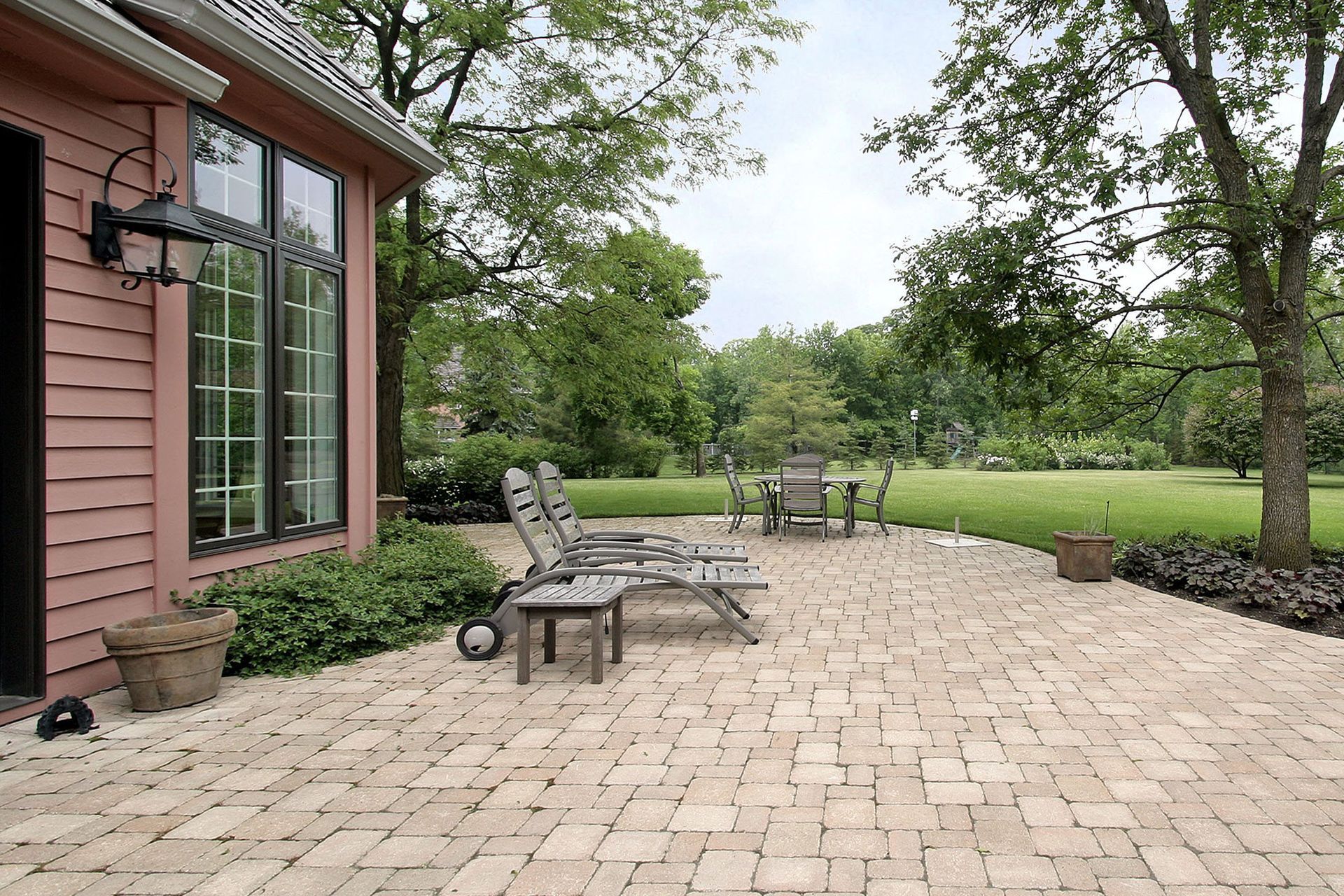
Several critical elements constitute a well-designed hardscape, beginning with materials like stone, brick, and concrete that set the texture and tone of the patio. These materials are chosen not only for their durability but also for their ability to blend with or highlight other design elements in the yard. Paving stones and tiles can be installed in various patterns to accentuate specific areas, such as seating or fire pits. The choice of durable and appealing materials ensures the longevity of both your enjoyment and the structure itself.
Water features, such as fountains or small ponds, are often incorporated into patio designs for their visual and auditory calm. These elements can act as focal points, drawing attention while offering soothing background sounds that enhance relaxation. Lighting is another crucial element of hardscaping, extending usability into the evening hours with elegant and functional designs. Installing lights in strategic locations around a patio can create a safety-conscious environment with an inviting ambiance.
2. How to Begin Planning Your Custom Patio Design?
2.1 Assessing Your Space and Needs
Creating a custom patio design begins with a thoughtful assessment of the available space and the functional needs it is intended to meet. Identifying how the patio will be used guides decisions on size, layout, and materials. Determining factors include the intended number of occupants, types of activities (like dining or entertaining), and how the patio integrates with existing landscape elements. Assessing the space's natural light and views further informs the design's direction.
Understanding your personal style preferences plays a crucial role in aligning design choices with aspirations. Some homeowners may prefer a sleek, modern look while others favor rustic or traditional designs. Working with a designer can help translate these desires into a concrete plan, incorporating unique elements like pergolas or custom seating arrangements. This creative process benefits from collaboration and open communication to ensure the final result matches your vision.
2.2 Setting a Budget for Your Patio Project
The next critical step in a custom patio design is setting a realistic budget that aligns with your goals and financial means. The cost can vary widely based on materials, complexity, and additional features you choose to include. Creating a detailed budget helps prioritize essential features, such as structural elements and high-quality materials. It also leaves room for unexpected costs, preventing potential setbacks during the project’s progression.
Working with contractors or specialists early in the planning process can provide valuable insight into cost-effective solutions that do not compromise aesthetics or functionality. They can assist by suggesting alternative materials or design techniques that may achieve similar visual results at a lower cost. Allocating funds wisely allows for sections of the project to be phased if necessary, expanding the patio's potential over time without stretching initial finances. Establishing a budget leads to peace of mind as the project's scope and scale move forward.
3. What are the Latest Trends in Hardscaping for Patios?
3.1 Incorporation of Natural Elements in Hardscaping
One of the latest hardscaping trends for patios is the integration of natural elements to create a more organic and cohesive aesthetic. This approach involves blending greenery with stone or wood features, offering a seamless connection with natural surroundings. The use of vertical gardens or living walls has become increasingly popular, enhancing the sense of outdoor living while adding texture and depth. These elements provide a natural backdrop that supports biodiversity and contributes to a sustainable environment.
Water features continue to be a sought-after addition to modern patio designs, bringing movement and tranquility into outdoor spaces. Small waterfalls or fountains create an inviting ambiance with their gentle sounds, transforming the patio into a peaceful retreat. These elements can be complemented by strategically placed plants that enrich the experience with layers of color and fragrance. Such integrations promote harmony between hardscape and softscape components, elevating relaxation and visual appeal.
3.2 Innovative Use of Lighting in Patio Design
Lighting has emerged as a key focus in patio design, transforming spaces into serene nocturnal environments. It extends the usability of outdoor areas, allowing them to be enjoyed in the evenings with added safety and visual interest. Underlighting on stairs, integrated fixtures within pathways, and accent lighting on key features such as water or sculptures heighten the ambiance. This layering effect creates a sense of dimensionality and intimacy.
Solar-powered and LED options lead the way in energy-efficient lighting choices, offering both aesthetic appeal and economical advantages. These options provide flexible design possibilities, from subtle spotlights highlighting architectural features to strings of fairy lights adding whimsy. Smart lighting systems can also be incorporated, enabling homeowners to adjust brightness and timing conveniently via mobile devices. The blend of technology and design enriches the patio experience by aligning with modern lifestyle needs.
In conclusion, hardscaping is the backbone of custom patio design, transforming ordinary backyards into bespoke retreats ripe for relaxation and entertainment. The thoughtful inclusion of hardscaping elements like lighting, durable materials, and water features paves the way for visually stunning and practical outdoor areas. As trends evolve toward natural, sustainable designs, these considerations become increasingly important.
The assessed benefits of custom patio design extend beyond immediate enjoyment, enhancing both property value and market appeal. With Home.com’s insight on ROI potential from patios and decks, investing in a thoughtfully designed outdoor area is an opportunity to increase financial return. Homeowners looking to sell in the future will find that custom patio touches can make their property stand out in a competitive market.
Ultimately, by leveraging strategic hardscaping, patios are elevated into meaningful extensions of personal style and home life. They offer endless possibilities tailored to personal desires, whether for quiet contemplation or social gatherings with loved ones. A well-executed custom patio design preserves natural beauty while embracing modern conveniences, ensuring its place as a cherished asset for years to come. Reach out to JC Rockland Paving today to see how we can help you!