July 28, 2026
In today's competitive real estate market, homeowners are continually seeking ways to improve their property’s value and appeal. Professional hardscaping presents an opportunity not only to enhance outdoor aesthetics but also to significantly boost property value, often compensating for its initial
Understanding Hardscaping
Defining Hardscaping
Hardscaping refers to the non-living elements of landscaping, encompassing structures made from stone, concrete, wood, and metal. It includes pathways, patios, retaining walls, and other man-made features that complement the natural landscape. These elements are integral in creating functional outdoor spaces, offering durability and aesthetic appeal. Hardscaping plays a vital role in the overall design of a property, serving both practical and decorative purposes. By integrating hardscaping, homeowners can transform their outdoor areas into functional living spaces.
Explaining the Difference Between Hardscaping and Landscaping
While hardscaping focuses on the inanimate features of the yard, landscaping encompasses both hardscaping and softscaping. Softscaping involves the living elements such as plants, flowers, trees, and grass. Landscaping balances both aspects to create a cohesive outdoor space, blending functionality with nature. Hardscaping provides the necessary structure and foundation, while softscaping adds vibrant life to the area. Together, they shape the exterior environment, enhancing the property's usability and appearance.
Choosing Common Hardscaping Features: Patios, Pathways, and Walls
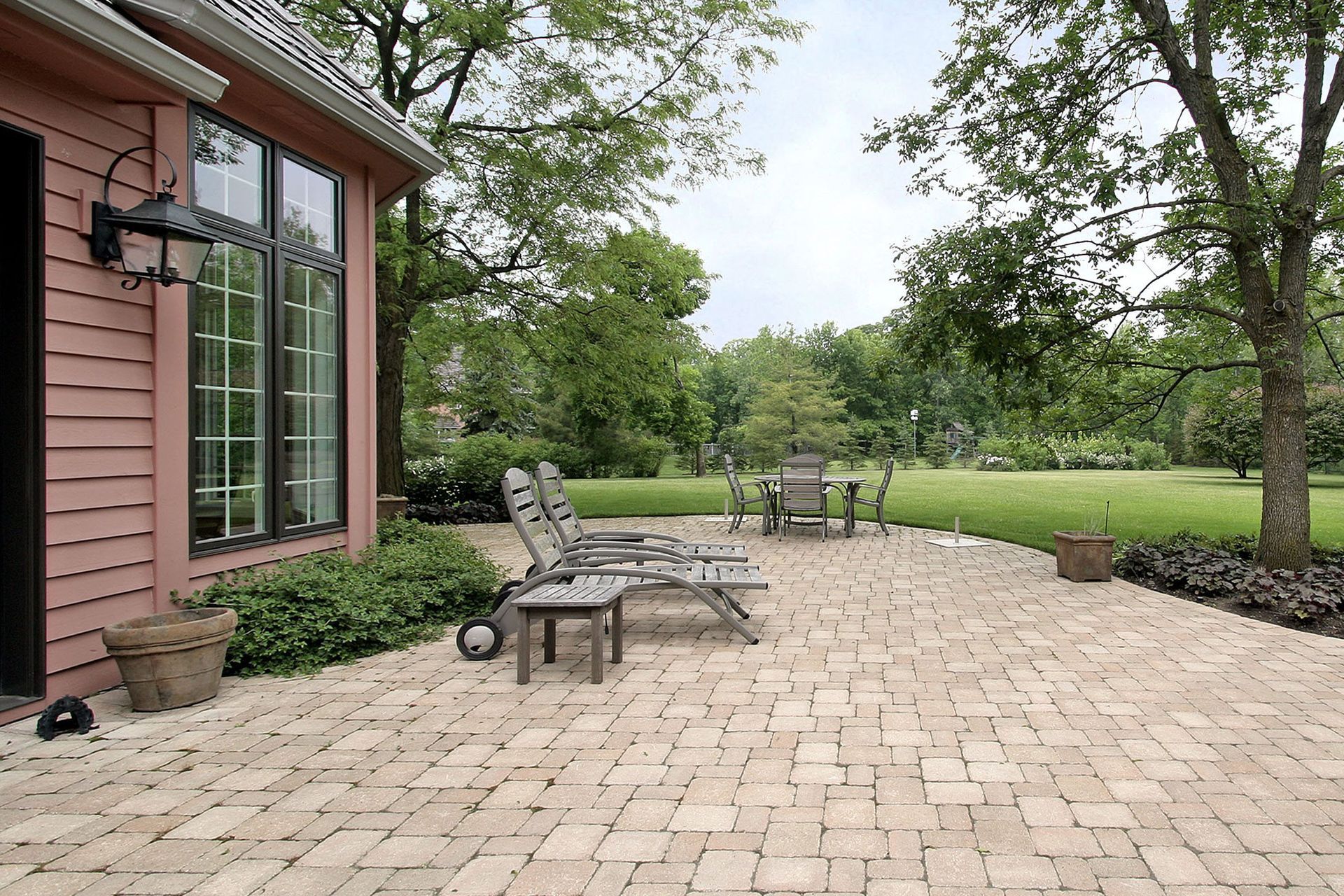
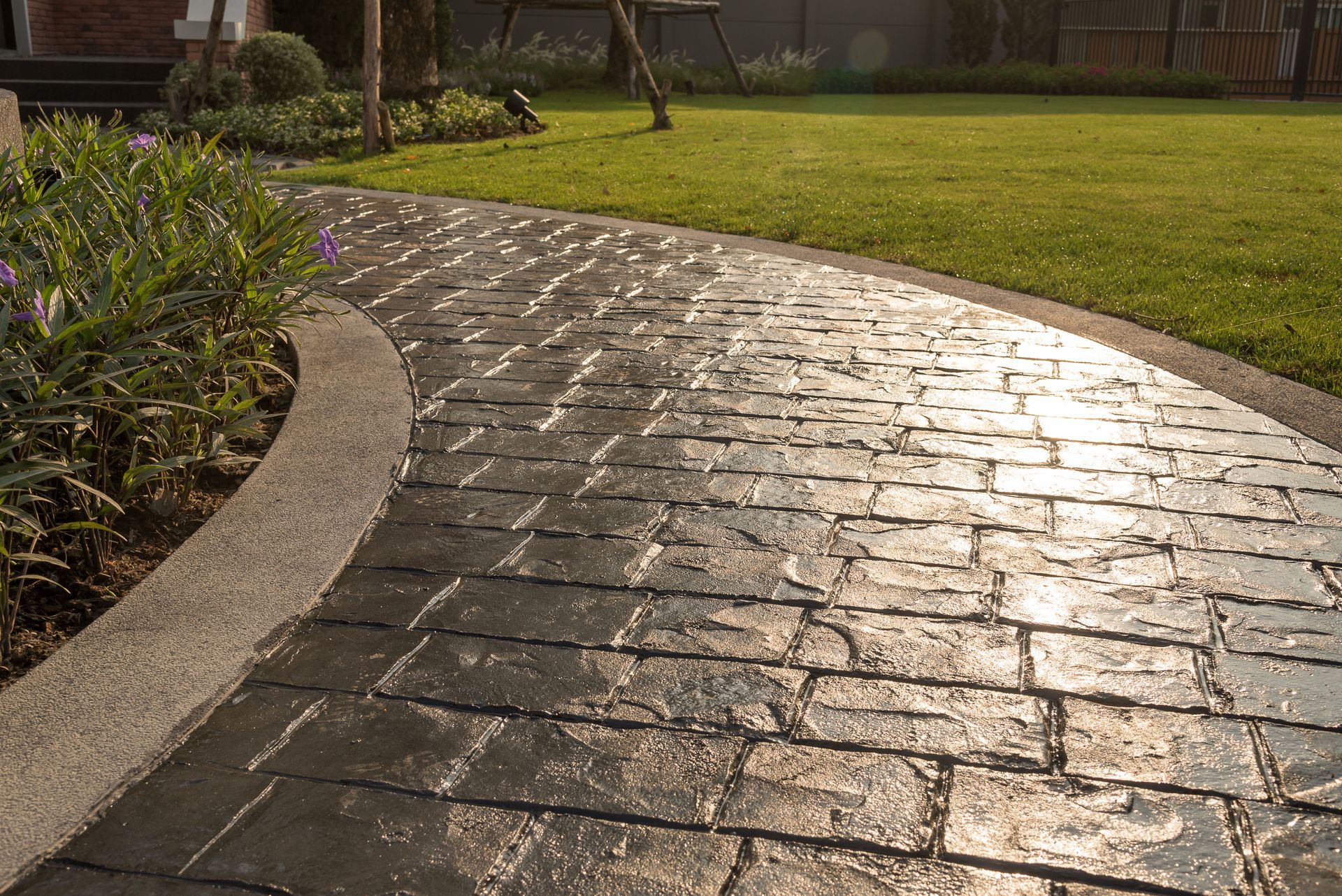
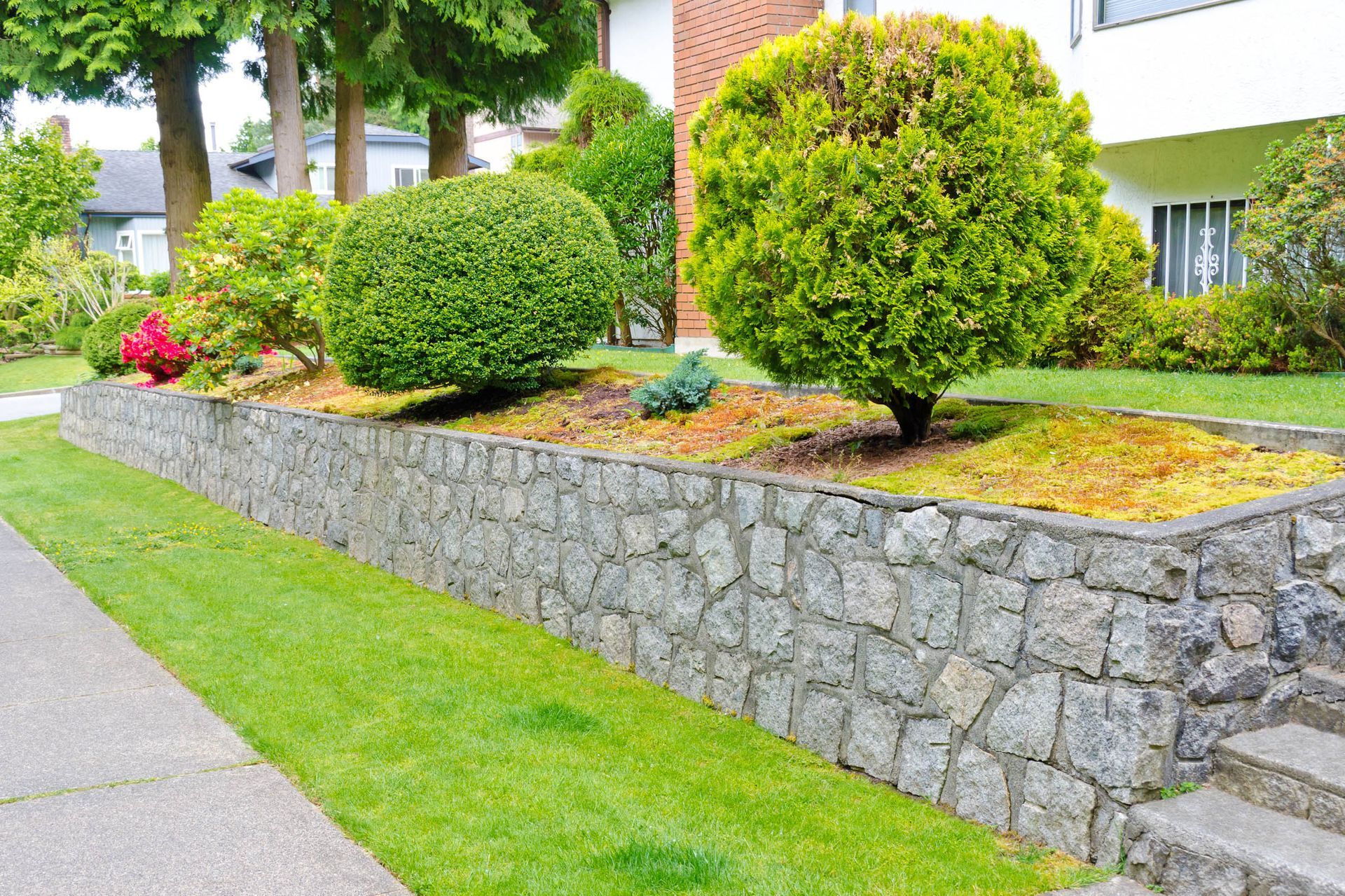
Patios are popular hardscaping features, offering an outdoor living space that is perfect for entertainment and relaxation. Pathways provide practical benefits, directing foot traffic and reducing soil erosion while adding elegance to the yard. Retaining walls serve both aesthetic and practical purposes, preventing soil erosion and managing sloped landscapes effectively. These features are crafted from durable materials like stone, brick, or concrete, ensuring longevity. By incorporating these elements, homeowners can enhance their property's utility and curb appeal significantly.
Picking the Materials Used in Hardscaping Projects
Common materials used in hardscaping include concrete, brick, stone, gravel, and wood, each offering unique benefits. Concrete is favored for its durability and versatility, suitable for a variety of designs. Natural stones provide an elegant and timeless look, often used for stepping stones or patios. Brick offers a classic appearance, while gravel is a cost-effective option ideal for paths and driveways. Each material serves specific functions, allowing for creative solutions in outdoor design.
Financial Benefits of Professional Hardscaping
Increasing Property Value Through Hardscaping
Investing in professional hardscaping can yield substantial returns by increasing property value. Well-designed hardscaping features enhance the outdoor aesthetic, making the property more attractive to potential buyers. According to LawnStarter, clever hardscaping can boost a home's value by up to 15%, reflecting its significant impact. This increase in value can help offset the initial expenditure on hardscaping projects. Homeowners stand to benefit financially while enjoying improved usability and aesthetics.
Boosting Curb Appeal and Its Economic Impact
Curb appeal is a critical factor in real estate, often forming the first impression of a property. Enhanced hardscaping can significantly elevate curb appeal, making homes more marketable and inviting. Features like attractive pathways, neatly trimmed edges, and elegant stonework contribute to a polished appearance. The economic impact of improved curb appeal is profound, often speeding up the sale process and justifying a higher asking price. As prospective buyers are drawn to the property, homeowners can capitalize on increased interest and offers.
Examining Long-Term Cost Savings from Durable Hardscaping
Durability is a primary advantage of quality hardscaping, offering long-term cost savings to homeowners. Well-constructed hardscaping requires minimal repairs and maintenance, which reduces ongoing expenses. Hardscape elements withstand harsh weather and time, retaining their form and functionality. The upfront investment in durable, high-quality materials becomes economical when considering reduced maintenance and repair costs over time. Homeowners can enjoy resilient outdoor spaces without frequent replacements or upgrades.
Saving on Maintenance Costs
Hardscaping requires less maintenance compared to traditional landscaping, offering savings in both time and money. The absence of living plants means reduced need for watering, pruning, and fertilization, typically associated with softscaping. Stone and concrete surfaces are easy to clean and require less frequent attention. Investing in professional hardscaping means fewer resources spent on upkeep, contributing to overall cost efficiency. Homeowners benefit from attractive outdoor spaces without the continuous effort of regular maintenance.
Planning Your Hardscaping Project
Setting a Budget
Effective budget planning is crucial when embarking on a hardscaping project, ensuring financial feasibility and maximizing returns. Homeowners must balance their desired scope with realistic financial constraints, considering both immediate costs and long-term gains. Research and planning help in making informed decisions about materials, designs, and contractors. Understanding potential property value increases can guide sound investments in quality and design. With judicious planning, the project can offer a higher return on investment through improved property value and aesthetics.
Selecting a Professional Hardscaping Contractor
Choosing the right hardscaping contractor is key to the project's success, affecting both quality and compliance. Homeowners should vet contractors based on experience, portfolio, client reviews, and credentials. Proper licensing and insurance validate a professional's practice, safeguarding against potential issues. Communication is essential, with clear discussions on scope, costs, and timelines, minimizing misunderstandings. A reliable contractor can transform a vision into reality while ensuring project smoothness and efficiency.
Designing with Property Value in Mind
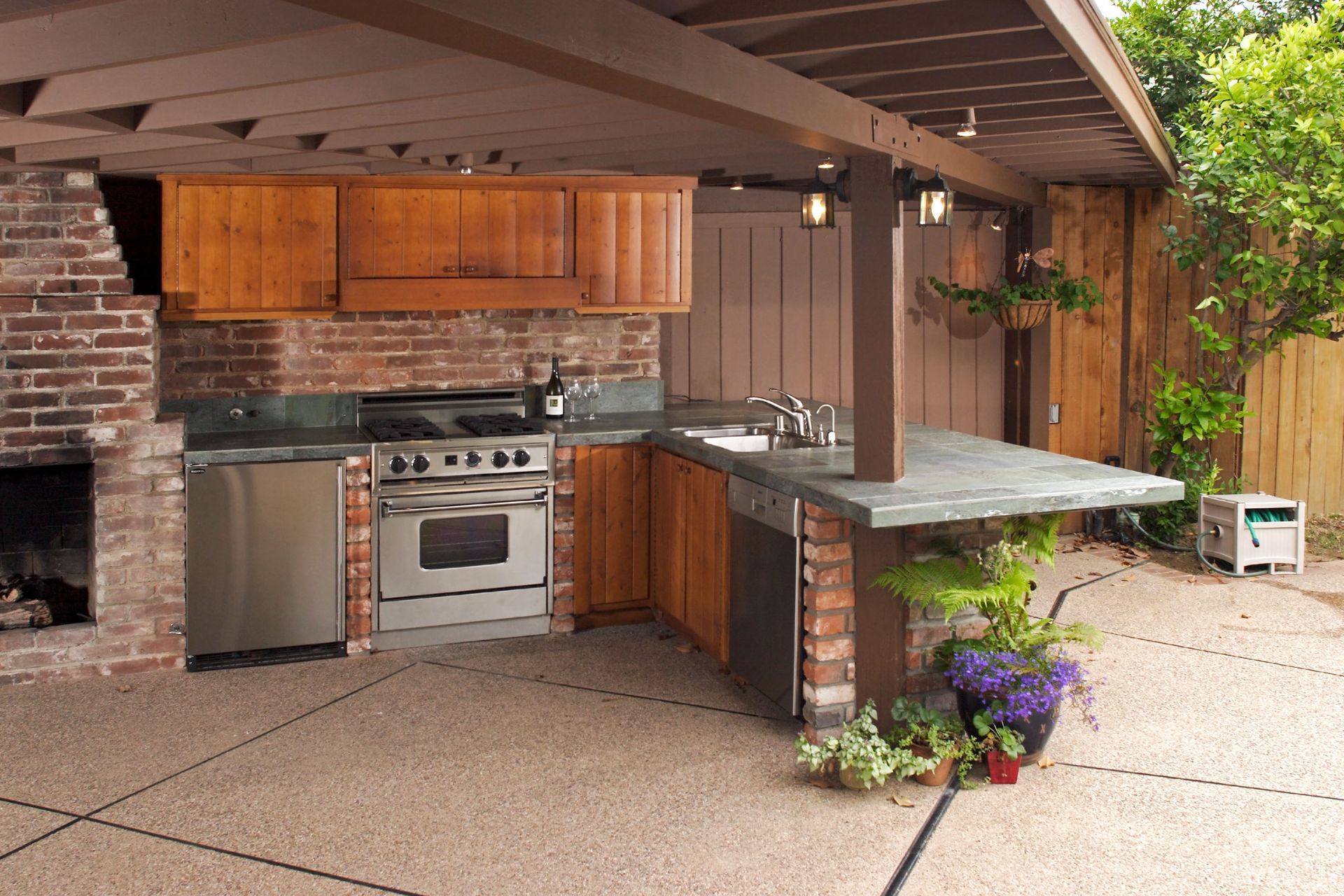
Designing with an eye on property value involves a strategic blend of functionality, aesthetics, and trend consciousness. Homeowners should consider current market demands and potential buyer demographics when planning hardscaping features. Features aligning with buyer expectations, such as outdoor kitchens or eco-friendly designs, can enhance marketability. Understanding what enhances property value ensures that the design not only fulfills personal desires but also appeals to future buyers as well. Through strategic design, hardscaping becomes a lasting asset that continues to contribute to property worth.
Handling Permits and Legal Considerations
Before commencing a hardscaping project, understanding regulatory requirements is crucial to avoid legal complications. Different regions have varying rules regarding construction permits, zoning laws, and environmental regulations that must be followed. Homeowners should research or consult with professionals to navigate the necessary legal landscape. Compliance ensures that the project can proceed without hurdles while aligning with community standards and codes. Avoiding legal tangles contributes to a smoother project timeline and secures the investment long-term.
Innovative Hardscaping Solutions
Adding Sustainable and Eco-Friendly Options
As environmental concerns grow, homeowners are increasingly seeking sustainable and eco-friendly hardscaping solutions. Options like permeable pavers allow water to seep into the ground, reducing runoff and promoting groundwater recharge. Using recycled materials for construction can decrease the environmental footprint and appeal to eco-conscious consumers. Sustainable designs often pair with energy-saving features, combining aesthetics with environmental stewardship. By opting for these solutions, homeowners not only contribute to conservation efforts but also increase marketability through their forward-thinking approach.
Integrating Water Features for Added Value
Incorporating water features such as ponds, fountains, or small waterfalls adds distinct charm and tranquility to a property. Water features can significantly boost aesthetic appeal, creating a focal point that enhances outdoor enjoyment and relaxation. Despite initial costs, well-designed water features attract buyers and can be highlighted as unique selling points in real estate listings. They offer sensory benefits like soothing sounds and visual interest, enriching the outdoor experience. With careful integration and maintenance, water features are a valuable addition to any hardscaping design.
Using Lighting as a Value-Enhancing Element
Strategic lighting transforms outdoor spaces, extending usability into the evening and boosting security. Landscape lighting highlights architectural features, pathways, and trees, adding depth and atmosphere. Effective lighting design can influence first impressions, elevating curb appeal and enhancing safety throughout the property. Energy-efficient options like LED lights offer long-term savings, complementing the aesthetic benefits. Thoughtfully integrated lighting is an investment that pays dividends in both functionality and property valuation.
Adapting to Seasonal Changes with Innovative Designs
Hardscaping that adapts to seasonal changes ensures year-round usability and flexibility, enhancing property value. Incorporating features like fire pits, covered areas, or retractable awnings allows outdoor enjoyment regardless of weather conditions. Versatile designs address seasonal needs, offering shade in summer or protection during winter months. Adaptable hardscapes invite potential buyers by demonstrating practical foresight and maximizing outdoor living opportunities. Ultimately, such designs yield tangible comfort and utility across varying climates.
Professional hardscaping is a powerful, low-maintenance investment that bridges the gap between stunning outdoor living and financial return, boosting property value. By blending structural durability with thoughtful design, homeowners can dramatically elevate curb appeal and maximize year-round usability. Ultimately, a strategic hardscaping project turns any outdoor space into a high-yield, lasting asset.