October 5, 2026
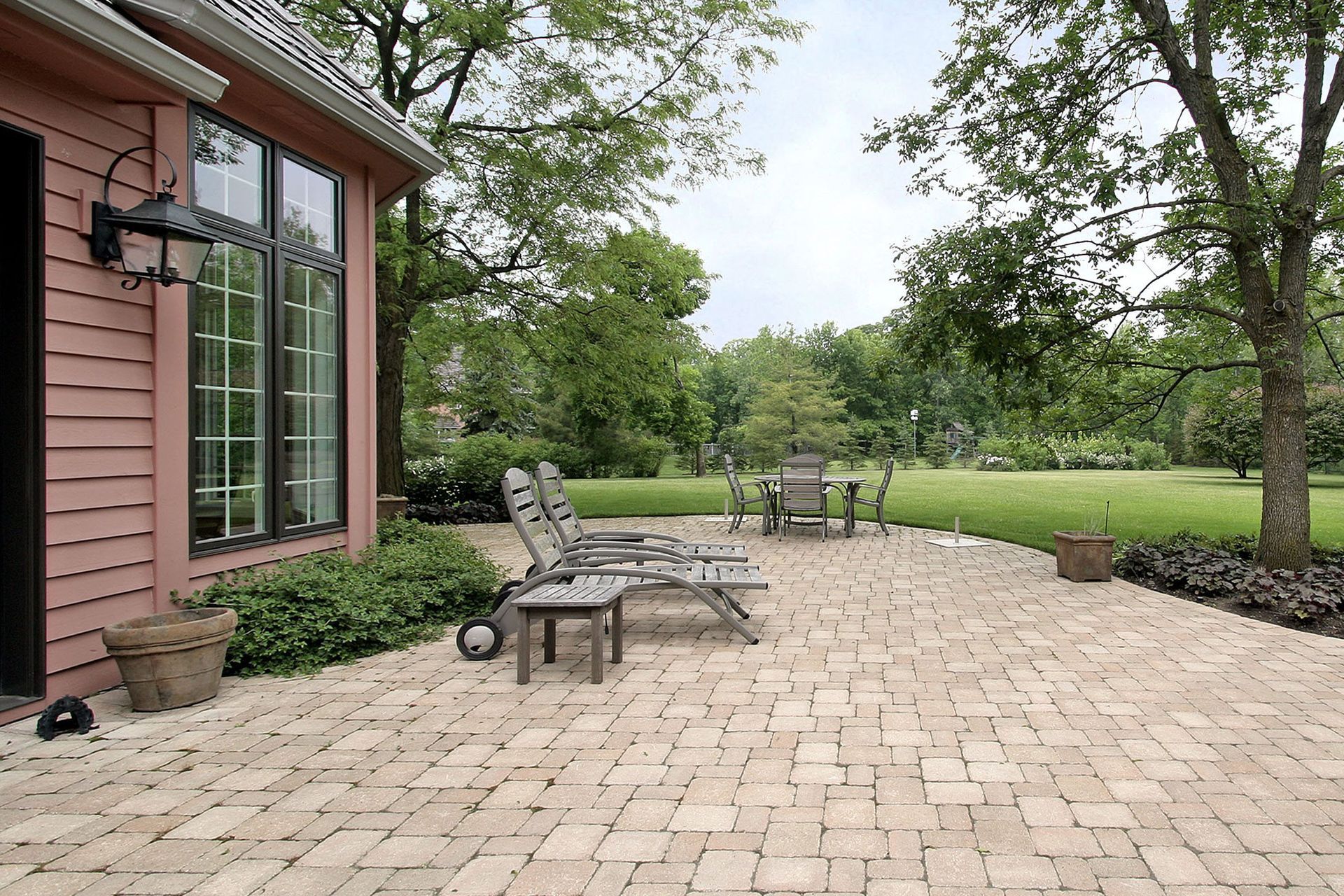
A brick patio can transform an outdoor area into a comfortable and inviting place for entertaining, dining, relaxing, or simply enjoying time outside. However, a successful patio project involves more than choosing a brick color and deciding where to put the furniture. Careful planning can help you create a space that complements your home, fits your needs, and holds up to years of regular use.
Before construction begins, consider the patio's intended purpose, available space, drainage, layout, materials, and installation requirements. Working with an experienced mason contractor can also help you identify potential issues before they become costly problems. From the initial design to long-term maintenance, taking the time to plan each stage can make the finished patio both attractive and practical.
What Are the Benefits of a Brick Patio?
Brick is a popular choice for patios because it combines durability with a traditional appearance. Properly installed brick pavers can withstand regular foot traffic and outdoor exposure while maintaining much of their original character. Individual pavers can also be replaced if they become cracked or damaged, rather than requiring the entire patio to be removed.
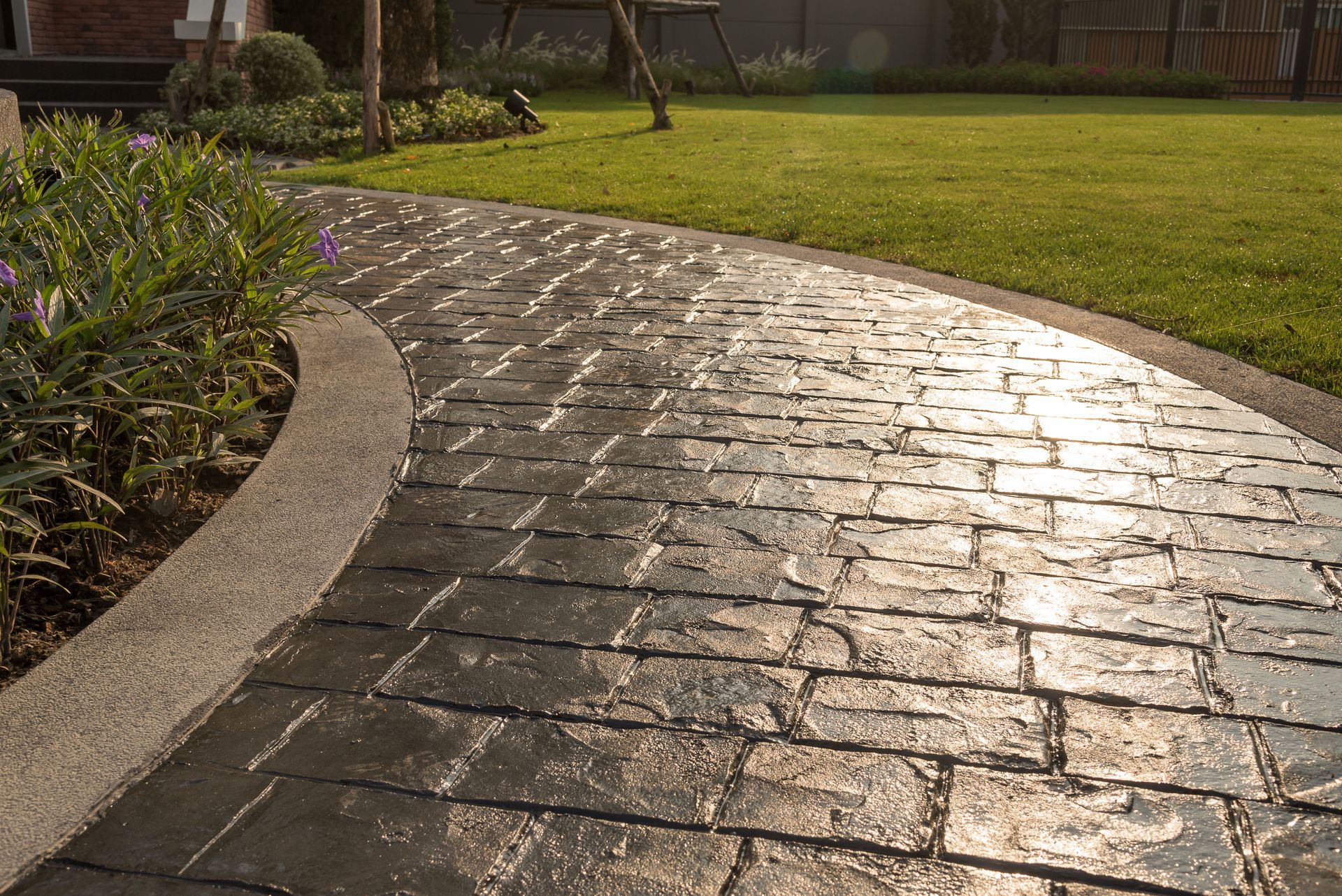
The appearance of brick offers another advantage. Pavers are available in different colors, sizes, patterns, and textures, giving homeowners flexibility when developing a design. Traditional running-bond patterns can provide a simple appearance, while herringbone or basket-weave layouts can add visual interest.
Brick can also complement a wide range of architectural styles. Whether your home has traditional, colonial, rustic, or more contemporary characteristics, a carefully selected brick patio can provide a natural transition between the house and surrounding landscape.
An experienced mason contractor can help you evaluate different brick options based on the property's existing materials and the intended use of the patio. They can also help determine whether the selected pavers and installation method are appropriate for the local climate and site conditions.
How to Choose the Right Mason Contractor
Choosing the right mason contractor is one of the most important decisions in a patio project. A well-designed patio can still develop problems if the underlying preparation or installation is inadequate.
Start by looking for contractors with experience specifically related to brick and masonry projects. Ask to see examples of completed patios, and when possible, look for projects that have been in place for several years. This can provide a better indication of how the contractor's work performs over time.
It is also important to discuss the project in detail before work begins. A qualified mason contractor should be able to explain how the site will be prepared, how drainage will be addressed, what materials will be used, and how the pavers will be installed. Ask for a written estimate that clearly identifies the scope of work and anticipated materials.
References and reviews can provide additional insight into a contractor's communication, reliability, and workmanship. You should also verify appropriate licensing and insurance requirements for contractors in your area.
Finally, avoid making your decision based solely on the lowest estimate. Differences in site preparation, materials, drainage work, and installation methods can significantly affect the final price. The goal is to find a mason contractor who can clearly explain the work and provide a realistic plan for completing it.
What Should Be Considered in Patio Design?
Good patio design begins with understanding how you intend to use the space. A patio designed primarily for outdoor dining may require enough room for a table and chairs with comfortable clearance around them. A space intended for lounging may need room for seating, a fire feature, or other outdoor amenities.
The size and shape of the available area should also influence the design. Measure the proposed patio area carefully and consider how people will move between the patio, house, yard, and other outdoor features. Maintaining convenient access can make the finished space much more functional.
Drainage deserves particular attention. Water should be directed away from the home's foundation rather than allowed to collect against the structure. The existing grade, surrounding landscaping, and location of downspouts should all be considered during planning.
The brick pattern can contribute to both appearance and function. A herringbone pattern, for example, can create a distinctive visual effect, while a simpler running bond can provide a more understated look. Border courses can also help define the patio and provide a transition between the pavers and surrounding landscape.
A mason contractor can help translate these considerations into a practical layout. Discussing furniture dimensions, traffic patterns, drainage, and desired aesthetics before installation begins can reduce the need for changes later.
What Is the Process of Installing a Brick Patio?
Although the exact process varies depending on the property and design, brick patio installation generally begins with preparing the site. The installation area is marked and excavated to accommodate the pavers and the necessary base materials.
The soil is then properly prepared and compacted. A suitable base, often consisting of compacted aggregate, provides stability beneath the patio. Proper preparation is particularly important because movement in the underlying soil can eventually cause pavers to settle or become uneven.
After the base is installed and compacted, a bedding layer is prepared for the pavers. The bricks can then be laid according to the selected pattern, with careful attention to alignment and spacing. Edge restraints may be installed to help keep the pavers from shifting outward over time.
Once the pavers are in place, the joints are filled with appropriate material and the surface is compacted as necessary. The finished patio is then checked for proper drainage, stability, and overall appearance.
According to HomeGuide, installing a brick paver patio typically takes about two to five days, depending on the size and complexity of the design. A mason contractor can provide a more specific estimate after evaluating the site and determining the scope of preparation required.
Weather, site accessibility, excavation requirements, and design complexity can all affect the timeline. Planning for these variables can help homeowners establish realistic expectations before construction starts.
What Are the Maintenance Requirements for Brick Patios?
Brick patios are relatively straightforward to maintain, but regular attention can help preserve their appearance and performance. Routine sweeping can remove dirt, leaves, and other debris before they accumulate in the joints or contribute to staining.
Occasional cleaning may also be necessary, particularly in areas exposed to mud, food spills, or organic debris. Use cleaning methods appropriate for the specific brick and joint materials, and avoid aggressive techniques that could damage the surface.
Sealing may be appropriate in some applications, although it is not necessarily required for every brick patio. A mason contractor can help determine whether sealing makes sense based on the type of brick, desired appearance, exposure, and local conditions.
Over time, individual pavers may settle or become damaged. Addressing these problems promptly can prevent small issues from developing into larger sections of uneven pavement. Individual bricks can often be removed, the underlying material corrected, and the pavers replaced.
Regular inspections can also reveal problems with drainage, joint material, or edge restraints. If you notice persistent standing water or significant movement, consult a
mason contractor to determine the underlying cause rather than simply correcting the visible symptom.
Plan Your Brick Patio With Confidence
A successful brick patio starts with thoughtful planning. Choosing durable materials, developing a functional layout, addressing drainage, and understanding the installation process can help create an outdoor space that remains useful and attractive for years.
The contractor you choose is equally important. An experienced mason contractor can help with material selection, site preparation, drainage considerations, installation, and repairs while ensuring the project reflects your goals for the space.
By considering these factors before construction begins, you can approach your patio project with realistic expectations and a clear understanding of what is involved. With careful preparation and quality workmanship, a brick patio can become a lasting extension of your home's outdoor living space. If you're considering a patio, reach out to the team at JC Rockland Paving today!